What Age Should Kids Start Music Lessons? A Parent's Guide
One of the most common questions parents ask is, “What age should my child start music lessons?” The short answer: there's something valuable you can do at every age — the approach just changes as your child grows. Here's a practical, age-by-age guide.
Ages 0–2: Build the ear
Traditional lessons aren't right yet, but this is a golden window for your baby's musical ear. Great things to do:
- Play color-coded instruments. Color-coded deskbells and boomwhackers give babies consistent, memorable play with individual pitches — they start to predict that the red bell makes one sound and the yellow another.
- Clap and tap to everything. Patty-cake and clap-along games build a sense of steady beat early.
- Sing with solfege hand-signs. Babies are natural hand-signers — see teaching kids to sing in tune.
- Find a local music-and-movement class for joyful group exposure.
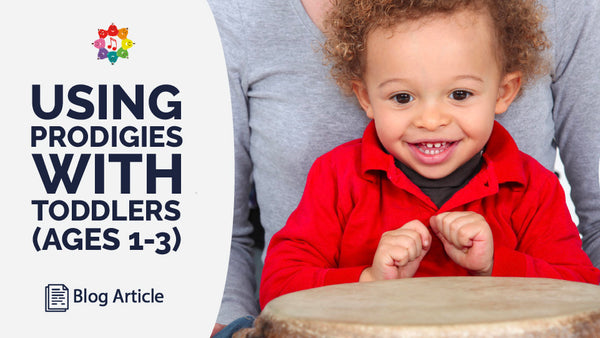
Looking for a gentle guided path? Our music for toddlers lessons are built for exactly this stage.
Ages 2–5: The sweet spot
This is the prime age to start a real (play-based) music education. Preschoolers can follow simple directions, recognize colors by name, and manage hand-signs and a first instrument. Research on early pitch exposure (and methods like Tanéda) suggests the 2–5 window is critical for developing a lifelong sense of pitch.
What to focus on:
- Meaningful exposure to pitch through color-coded bells, listening games, and short, regular practice.
- Singing & hand-signs to connect voice, ear, and movement.
- Color before the staff. Reading black-and-white notation is usually too abstract here and is the #1 reason kids quit. Start with color-coded notation and bridge to the staff later (here's how to teach a 5-year-old to read music).
Our preschool music curriculum sequences all of this into short, colorful video lessons.
Ages 5–7: Toward an instrument
As the perfect-pitch window narrows, shift toward the fine-motor skills of playing an instrument — most often the piano. Tips that work:
- Bridge bells → piano. Color-coded bells build confidence first; color-coded piano stickers carry the same system onto the keys.
- Use great practice apps like JoyTunes' Simply Piano / Piano Maestro to make reading fun, and a method series like Piano Adventures (Faber) for structure.
- Chord-based learning (chord charts, e.g. Ultimate Guitar) is a fun path for kids who'd rather jam than read.
- Keep Prodigies in the mix for ensemble play, listening games, and instrument series (recorder, ukulele, piano).
The bottom line
Start now, at any age — just match the method to the stage: build the ear (0–2), develop pitch through play (2–5), and move toward an instrument (5–7+). Prodigies grows with your child through all of it. Still weighing options? See online vs. private lessons.
🎵 Start your child's musical journey → play.prodigies.com/join
Frequently asked questions
What is the best age to start music lessons?
Any age, with the right approach — but ages 2–5 are an ideal time to begin formal, play-based music because of how the ear develops. Babies benefit from musical play, and ages 5–7 are great for starting an instrument like piano.
Is my child too young for lessons?
Not for music play. Color-coded instruments, singing, and clapping games build real skills long before traditional lessons begin.
When should kids start piano?
Around ages 5–7 for most kids, once fine-motor control develops — though a color-coded approach lets younger children start playing simple songs sooner.
Start your child’s musical journey
Join 10,000+ families learning music the colorful, hands-on Prodigies way.
Explore Prodigies